

When DNA Evidence Is Excluded Before Trial – R v Ke Explained
1. The prosecution allegation
- It was alleged that Mr Smith sexually assaulted his partners teenage daughter.
- This was said to occur in his bed.
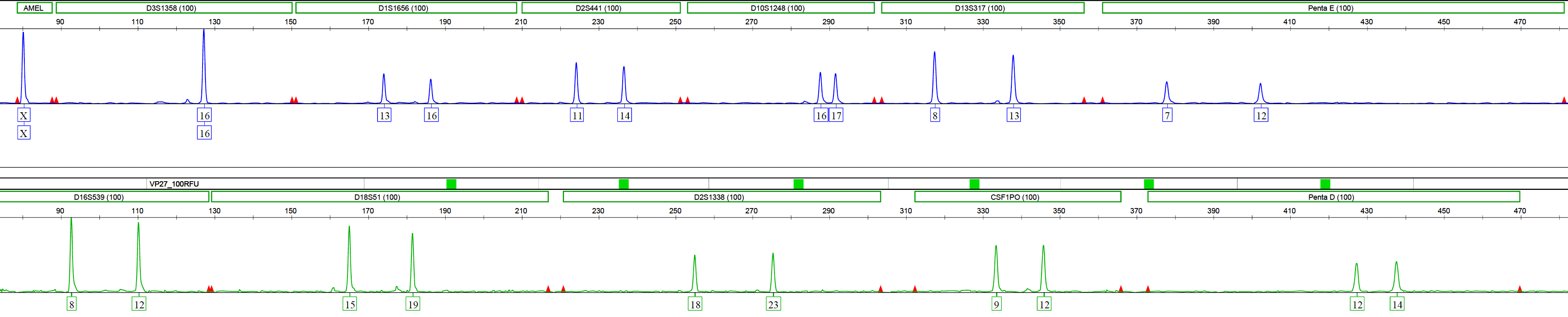
- The DNA profile from Mr Smith’s bedsheet was relied upon as proof.
2. The defence position
3. What a DNA report actually means
4. Why DNA statistics and likelihood ratios can be wrong
5. How STRmix and DNA likelihood ratios are calculated
6. How DNA evidence can be wrong
- Errors cannot be established on the face of the expert report.
- We conducted a scientific review of the DNA casefile including the STRmix extended outputs.
- We established that the mother was more likely the source of the DNA, than the complainant.
- The prosecution withdrew the evidence following receipt of our report.
7. When DNA evidence can be misinterpreted in criminal cases
- Relatives co habit and visit
- Close social contact exists
- People share bedding or clothing
- Worn clothing and bedding is stored and laundered together
When DNA evidence looks conclusive but isn’t
- If you deny the allegation but the DNA report seems conclusive, this may be a red flag.
Do you need a DNA expert?
'I engaged Helen Roebuck to independently examine a complicated DNA issue arising from a Rape matter.
Ultimately, the jury returned a verdict of ‘Not Guilty’ on all counts. We couldn’t have done it without Helen.'
Jasmine Pisasale
Director, Slade & Parsons
'a complicated DNA contamination matter. Although the DNA evidence initially seemed damning to the accused, the client was acquitted of all charges. Helen’s advice and evidence at Trial was invaluable.'
Kestin Mildenhall
Crockett Chambers
'Helen was engaged on short notice. District Court of NSW trial we were faced with a “word on word” situation for a number of alleged sexual assaults, with very little independent evidence to assist the defence.
The result was that the DNA evidence was not led, enabling the matter to be much shorter than would have been the case, which proceeded to “not guilty” verdicts on all counts.
John Gooley
Stacks Collins Thompson
‘Her professionalism, dedication and expert knowledge were instrumental in the presentation of the defence case’.
Gabriel Chipkin
Barrister
‘Very professional, organised, and most importantly a very impressive witness. I would not hesitate to refer her for any DNA related matters’.
Jane Murray
Solicitor
'Her evidence in Court was instrumental in establishing the deficiencies in the Crown's DNA case, and in obtaining a great outcome for our client’.
Simon Kenny
Barrister
‘Her work in unpicking and explaining the intricacies of STRmix including who was and was not a contributor to a complex DNA profile was amazing’.
Gilbert Aitken
Barrister
‘Helen’s comprehensive report resulted in the prosecution determining not to adduce the DNA evidence’.
Andrew Culshaw
Barrister
‘Helen's report was the " final piece of the puzzle " and without it we would not have been able to prove our case’.
Michael Lee
Lawyer
‘The first person I called was Helen to thank her for preparing me for a successful cross-examination’.
Maeve Curry
Barrister
‘’Helen was an excellent DNA expert witness in a trial I ran in the Supreme Court of the Northern Territory’.
Gabriel Chipkin
Barrister
‘Opinion was detailed, concise and persuasive. I highly recommend Helen Roebuck’.
Amelia Ramsey
Lawyer
‘I worked closely with Helen during the lead up to one of South Australia's longest running murder trials during 2021’.
Gilbert Aitken
Barrister
'I’d absolutely recommend seeking her guidance and opinion'
James Leaver
Samuel Griffith Chambers