

Independent Laboratory Testing
DNA evidence can be decisive in serious criminal matters.
But in many cases, the real issue is not the interpretation of a result – it is whether the right items were tested at all, whether the testing was complete, and whether the DNA results can be confirmed by further examination.
Roebuck Forensics provides independent DNA testing services for criminal lawyers across Australia and New Zealand, with access to a state-of-the-art forensic laboratory capable of conducting high-quality DNA examinations in accordance with appropriate scientific standards.
DNA evidence can be decisive in serious criminal matters.
But in many cases, the real issue is not the interpretation of a result – it is whether the right items were tested at all, whether the testing was complete, and whether the DNA results can be confirmed by further examination.
Roebuck Forensics provides independent DNA testing services for criminal lawyers across Australia and New Zealand, with access to a state-of-the-art forensic laboratory capable of conducting high-quality DNA examinations in accordance with appropriate scientific standards.
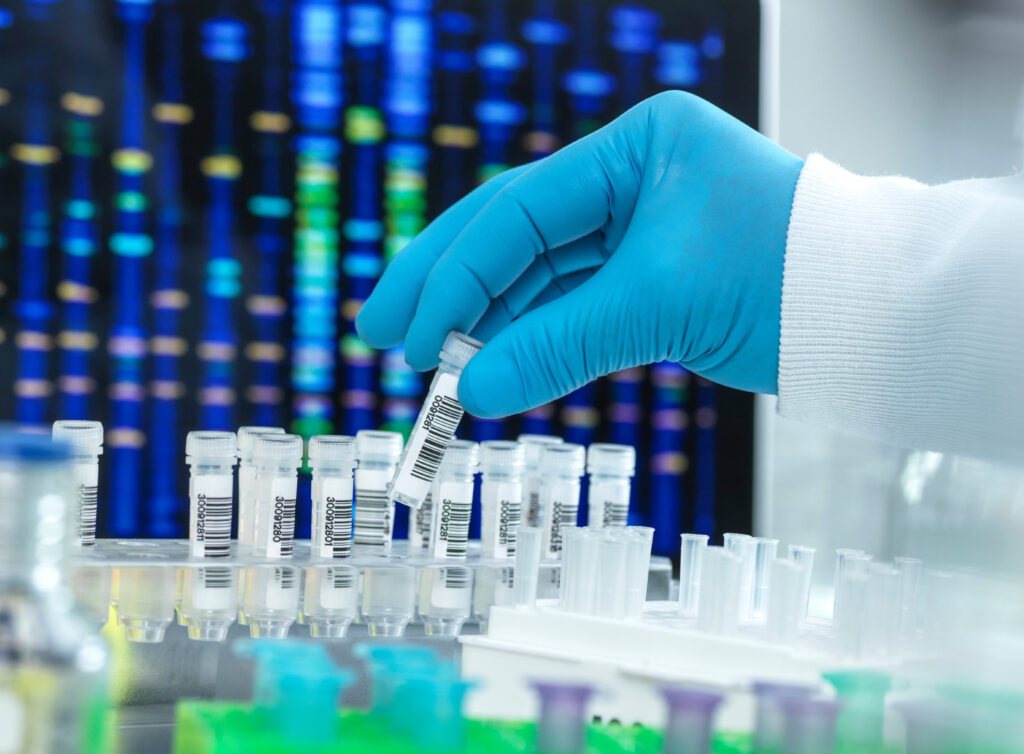
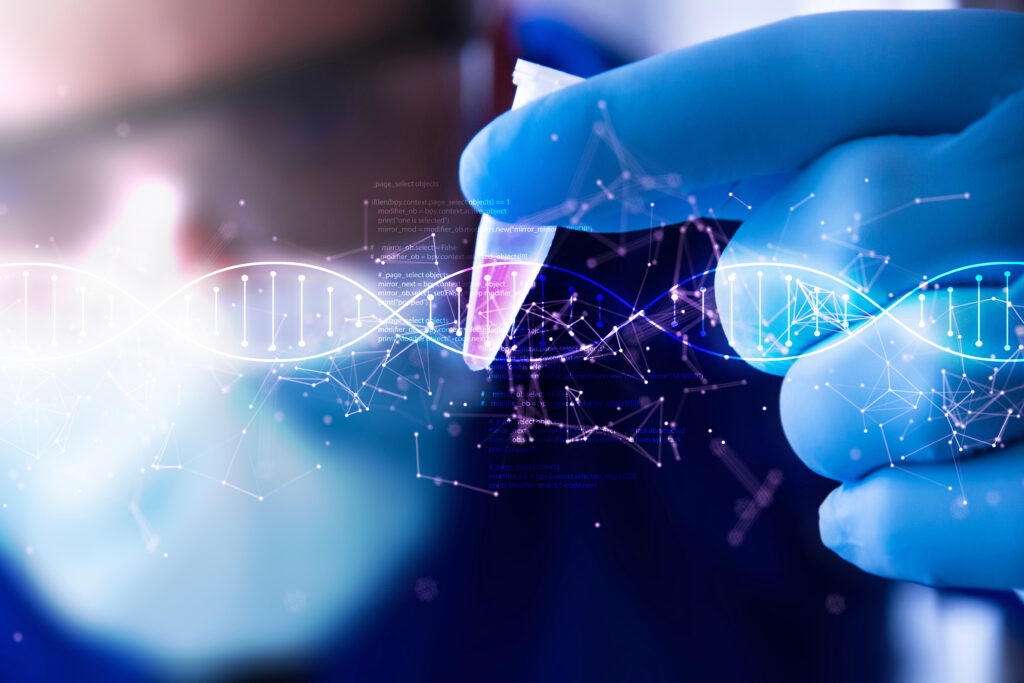
What is forensic DNA testing?
Forensic DNA testing refers to the laboratory processes used to detect and analyse DNA from evidentiary material. This may include:
DNA extraction from a sample or exhibit
- DNA profiling (generation of a DNA profile)
- Comparison of profiles where required (for example, to a reference sample)
- Quality assessment of DNA results and reporting outcomes
DNA testing can assist both prosecution and defence by clarifying whether DNA is present, whether a profile can be obtained, and whether results can be replicated or confirmed.
When independent DNA testing may assist
Independent DNA testing may be relevant where:
- - key exhibits have not been tested
- - only limited testing was performed
- - reported results require confirmation
- - there is a dispute about whether a DNA result is reliable
- - further testing may resolve a contested issue
- - DNA findings are central to the allegations or defence case
In some matters, the most important question is not “what does the DNA mean?” but:
“Has the appropriate testing actually been done?”


DNA re-testing of existing samples
In some cases, further DNA testing may involve re-testing existing samples, including where:
- - the original result was limited, low-level, or incomplete
- - the evidentiary issue depends on whether a profile can be reproduced
- - there are concerns about sampling choices or testing sensitivity
- - additional testing may clarify whether DNA is present or detectable
Re-testing can be particularly important when the existing laboratory work is relied upon as determinative, but the scientific basis for that reliance is uncertain.
Confirming reference DNA profiles
Roebuck Forensics can also assist by arranging DNA testing to confirm reference profiles, where this is relevant to the matter.
This may include confirming:
- - whether a reference profile is suitable for comparison purposes
- - whether the correct individual’s reference has been relied upon
- - whether there are any issues affecting the integrity of the reference sample
Reference DNA profiles are often treated as straightforward, but in serious matters, confirmation can be a valuable safeguard.
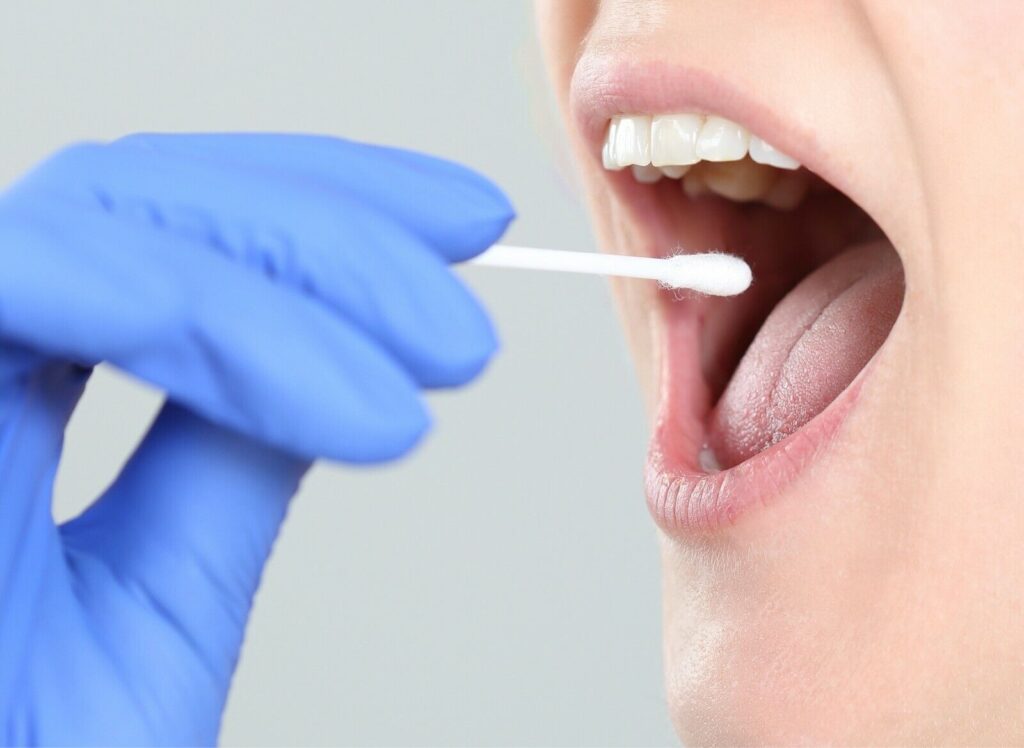
Testing items that have not previously been tested
In many cases, the most useful step is simply testing an exhibit that has not been examined.
This may include items where:
-
there is an alleged contact event
-
there is a dispute about handling or use
-
prior testing focused on other exhibits
A decision not to test an item is not the same as proof that DNA is absent.
Where DNA evidence is central, targeted testing of untested items can sometimes materially change what the case evidence can support.
In many cases, the most useful step is simply testing an exhibit that has not been examined.
This may include items where:
-
there is an alleged contact event
-
there is a dispute about handling or use
-
prior testing focused on other exhibits
A decision not to test an item is not the same as proof that DNA is absent.
Where DNA evidence is central, targeted testing of untested items can sometimes materially change what the case evidence can support.
Laboratory access and scientific standards
Roebuck Forensics has access to a modern and appropriately equipped forensic laboratory environment, enabling DNA testing to be carried out with suitable quality processes and reporting. Testing is conducted under NATA accredited procedures.
This ensures DNA testing is conducted in a controlled setting, using accepted scientific methodology, with clear documentation of:
-
what was tested
-
how it was tested
-
what was obtained (or not obtained)
-
and the limitations of the results.
Roebuck Forensics has access to a modern and appropriately equipped forensic laboratory environment, enabling DNA testing to be carried out with suitable quality processes and reporting. Testing is conducted under NATA accredited procedures.
This ensures DNA testing is conducted in a controlled setting, using accepted scientific methodology, with clear documentation of:
-
what was tested
-
how it was tested
-
what was obtained (or not obtained)
-
and the limitations of the results.

Independent DNA testing for criminal lawyers
Roebuck Forensics provides independent DNA testing services, including:
- DNA re-testing of samples
- confirmation of reference DNA profiles
- DNA testing of exhibits not previously examined
If you would like to discuss whether independent DNA testing may assist in your matter, you are welcome to contact Roebuck Forensics.
Professional Memberships

International Association of Bloodstain Pattern Analysts
The International Association of Bloodstain Pattern Analysts (IABPA) is a worldwide professional forensic organization for experts in bloodstain pattern analysis (BPA), promoting the science, standardizing techniques, and providing education to help investigators reconstruct crime scenes by interpreting bloodstain shapes, sizes, and distribution to understand the events, force, and weapons involved.
The IABPA unites scientists, law enforcement, academics, and criminal justice professionals to advance this field, which uses physics and biology to interpret patterns for court cases.
Australia and New Zealand Forensic Science Society
The AFS (Australian Forensic Society) was formed in 1971 to bring together scientists, police, criminalists, pathologists, and legal professionals actively involved in the field of forensic science. In 1988, the AFS recognised New Zealand members and changed its name to ANZFSS.
Australian Academy of Forensic Sciences
Chartered Society of Forensic Sciences
The Forensic Science Society was founded in 1959. Now accepting memberships globally the CSOFS is the peak professional body for forensic practitioners, academics, researchers and associated professions in the United Kingdom.
In 2014, the Society was granted a Royal Charter and became The Chartered Society of Forensic Sciences.
The CSOFS is recognised as the ‘international voice of forensic science’.
The Chartered body is committed to integrity and impartiality, aiming to provide opportunities for practitioners and academics to congregate, communicate and collaborate.
DNA QUESTIONS
Can items be DNA tested if police have not tested them?
Yes. In some matters, exhibits have not been tested, or testing has been limited to only a small number of items. Independent DNA testing may be arranged to examine and test relevant items that have not previously been analysed.
Can a DNA sample be re-tested?
In many cases, yes. Depending on what material remains available, further testing may be undertaken to confirm or clarify an existing DNA result, or to address whether a profile can be reproduced using additional examination.
Why would a defence lawyer request independent DNA testing?
Independent DNA testing may be useful where DNA evidence is central to the case and the defence needs to assess whether:
-
key exhibits were never tested
-
results can be confirmed
-
further testing could materially affect the evidential picture
Can you confirm a reference DNA profile?
Yes. Where relevant, independent testing can be arranged to confirm a reference DNA profile, including ensuring the reference is suitable for comparison and that the correct individual’s reference has been relied upon.
What types of exhibits can be DNA tested?
Many exhibit types may be suitable for DNA testing depending on the circumstances, including clothing, tools, surfaces, or items alleged to have been handled or used. The suitability of testing depends on the condition of the item, likely contact areas, and the case issues.
How long does DNA testing take?
Timeframes depend on the nature of the testing requested and laboratory workload. Where DNA testing is being considered for an active criminal matter, it is best raised as early as possible.
How much does independent DNA testing cost?
The cost of independent DNA testing depends on the scope of work required, including:
-
how many items or samples require testing
-
whether the request involves re-testing existing samples, confirming reference profiles, or testing previously untested exhibits
-
the complexity of the examination and sampling required
-
whether expedited turnaround is needed
In most matters, costs can be estimated once the case requirements and available materials are known. Roebuck Forensics can provide an initial indication of likely costs before testing proceeds.
What do you need from me to arrange independent DNA testing?
To consider independent DNA testing, it is usually helpful to have:
-
a brief summary of the key issues in dispute
-
the list of exhibits/items and their relevance
-
any existing laboratory reports (if available)
-
information about what has already been tested and what remains untested
From there, Roebuck Forensics can advise whether testing is feasible and provide an estimate of scope, timing, and likely cost.
Can DNA testing be expedited if there are court deadlines?
In some matters, yes. Whether testing can be expedited depends on laboratory capacity, the number of items involved, and the type of testing required. If your matter has a committal, trial, or sentencing deadline, it is best to raise timing requirements as early as possible.