

DNA evidence. Biological fluids. Bloodstain pattern analysis. Courtroom-ready advice.
Roebuck Forensics provides independent forensic science review and expert witness services for criminal lawyers across Australia and New Zealand.
When forensic findings appear “strong”, the real question is often:
What does the evidence actually support – and what does it not?
I help defence counsel and prosecutors properly interpret forensic results, identify assumptions and limitations, and translate complex technical material into clear, robust positions that can be used in advice, negotiation, committal preparation, and trial.
– DNA interpretation & likelihood ratios
– STRmix and mixture complexity
– Biological fluid testing (blood / semen / saliva)
– DNA transfer, contamination & persistence issues
– Bloodstain pattern analysis (BPA) review
– Cross-examination and trial support
If you have received a forensic report and need clarity early, I can help.
DNA evidence. Biological fluids. Bloodstain pattern analysis. Courtroom-ready advice.
Roebuck Forensics provides independent forensic science review and expert witness services for criminal lawyers across Australia and New Zealand.
When forensic findings appear “strong”, the real question is often:
What does the evidence actually support – and what does it not?
I help defence counsel and prosecutors properly interpret forensic results, identify assumptions and limitations, and translate complex technical material into clear, robust positions that can be used in advice, negotiation, committal preparation, and trial.
– DNA interpretation & likelihood ratios
– STRmix and mixture complexity
– Biological fluid testing (blood / semen / saliva)
– DNA transfer, contamination & persistence issues
– Bloodstain pattern analysis (BPA) review
– Cross-examination and trial support
If you have received a forensic report and need clarity early, I can help.
A Practical Approach to Forensic Evidence
Forensic science is powerful - but it is also conditional.
Laboratory results are shaped by:
- what was collected (and how)
- what was tested (and what was not)
- the propositions selected
- modelling decisions and assumptions
- limitations of detection and interpretation
A statistic can look compelling on paper while leaving key questions unanswered. In many matters, the true weakness is not the “DNA match” - it is what is being inferred from it.
Roebuck Forensics provides careful, evidence-based review that is scientifically rigorous and courtroom-usable.
DNA Evidence Review & Expert Reports
Independent evaluation of forensic DNA findings, including interpretation, evidential weight, and limitations — with advice tailored to the issues in dispute.
Best for: briefs where DNA is relied upon as a central link in the Crown case or defence theory.
DNA Transfer, Persistence & Contamination
Where DNA is found is not the same as proving how it got there. I review whether transfer mechanisms, persistence timeframes, and contamination risks have been properly considered — and what can (and cannot) be concluded.
Best for: touch DNA, low-template results, indirect transfer scenarios, packaging/handling issues, and contested activity propositions.
STRmix / Mixture Interpretation Review
Mixtures, low-level DNA, multiple contributors, and complex profiles require specialist scrutiny. I assess the interpretive approach, assumptions, propositions, and reporting framework.
Best for: contested interpretations, complex mixture statistics, and cases where the number appears “too strong” for the factual circumstances.
Biological Fluid Examination Review (Blood / Semen / Saliva)
A sample described as “blood” or “saliva” is often based on presumptive testing, limited screening, or contextual assumption. I review the actual testing performed and what the results support.
Best for: sexual assault matters, assaults/homicides, and any case where the biological source is central to the narrative.
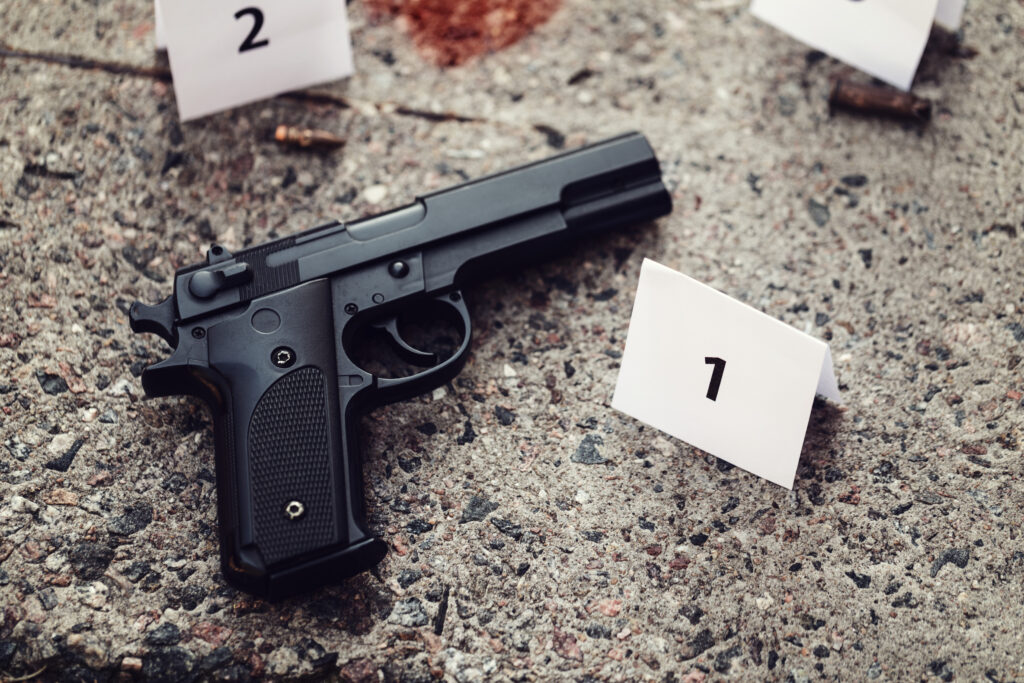
Bloodstain Pattern Analysis (BPA) Review
Bloodstain pattern analysis can assist in evaluating accounts of events, positions, movement, timing and mechanisms — but it is also a discipline that requires careful limitation and transparency.
Best for: serious crime scenes, contested sequences of events, and matters involving violence where blood evidence has interpretive value.
Cross-Examination & Trial Support
Targeted forensic assistance to support your case theory and courtroom strategy. This includes identifying key concessions, limitations, and the questions that matter.
Best for: trial matters, committals, and any brief where forensic evidence will be a central battleground.
How Briefing Works
Engagements can range from targeted advice through to full expert witness reporting.
Depending on your needs, I can assist with:
- review of forensic statements and lab notes
- interpretation of results and statistics
- identification of technical and logical weaknesses
- formulation of propositions and alternative explanations
- preparation for conference, committal or trial
Why Roebuck Forensics
I have worked across almost every part of the forensic process — from crime scenes, to laboratory interpretation, to expert witness testimony.
My focus is not simply the presence of DNA or a statistic.
It is what the evidence can actually support — in the context of the case.
Next Step
If you’d like to discuss whether the forensic evidence in your matter warrants further review:

Professional Memberships

University of Technology Sydney – Industry Fellow
Australia and New Zealand Forensic Science Society
The AFS (Australian Forensic Society) was formed in 1971 to bring together scientists, police, criminalists, pathologists, and legal professionals actively involved in the field of forensic science. In 1988, the AFS recognised New Zealand members and changed its name to ANZFSS.
Australian Academy of Forensic Sciences
Chartered Society of Forensic Sciences
The Forensic Science Society was founded in 1959. Now accepting memberships globally the CSOFS is the peak professional body for forensic practitioners, academics, researchers and associated professions in the United Kingdom.
In 2014, the Society was granted a Royal Charter and became The Chartered Society of Forensic Sciences.
The CSOFS is recognised as the ‘international voice of forensic science’.
The Chartered body is committed to integrity and impartiality, aiming to provide opportunities for practitioners and academics to congregate, communicate and collaborate.