
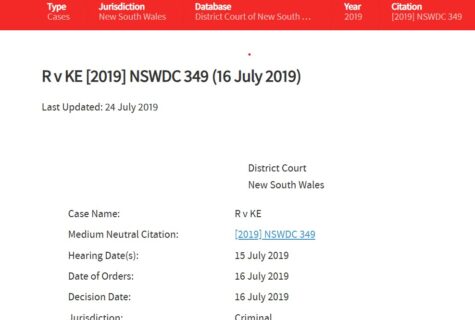
Secondary DNA Transfer and the Limits of DNA Evidence: Lessons from R v Ke
DNA evidence is frequently relied upon in sexual assault prosecutions, particularly where DNA is recovered from intimate swabs. However, the presence of DNA alone does not necessarily resolve the critical forensic question before the court: how the DNA was deposited? The District Court decision to exclude DNA evidence in R...

DNA and Semen Identified— Don’t Assume One Donor
Understanding a Common Misinterpretation in Sexual Assault Cases In sexual assault prosecutions, DNA evidence often carries significant weight — particularly where a report refers to semen detection alongside a DNA likelihood ratio that includes the accused. It is not uncommon for this combination to be interpreted as meaning the accused’s...
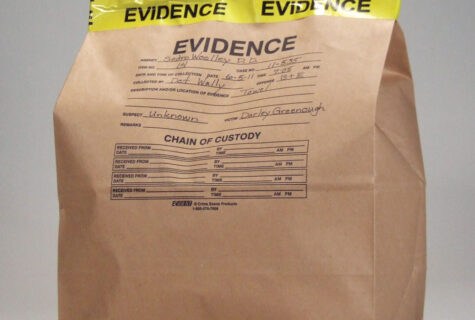
DNA Transfer Inside Exhibit Packaging
When the Evidence Changes After Collection Criminal lawyers are taught to scrutinise how DNA evidence is collected at a crime scene.Far less attention is paid to what happens after the exhibit is sealed. Yet a growing body of forensic research shows that DNA evidence can change inside its own packaging...

“Touch DNA” in Criminal Cases
What Criminal Lawyers Should Know — and Why IT is dangerous In criminal cases, lawyers may find themselves familiar with the phrase “touch DNA.” In scientific research and literature, the term might be used to describe DNA originating from skin cells left behind after contact by touch with an object,...
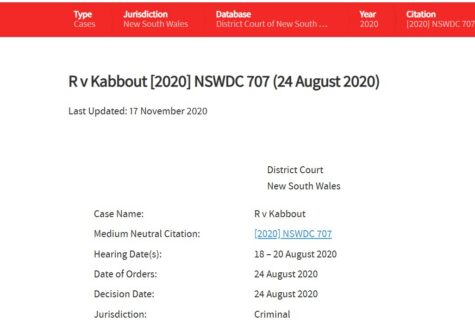
Secondary DNA Transfer and the Weight of DNA Evidence in Criminal Trials
Helen Roebuck was the independent forensic DNA expert engaged for the defence in R v Kabbout [2020] NSWDC 707, a New South Wales District Court decision published on AustLII. The matter involved DNA recovered from the handgrip of a firearm and provides an important illustration of how DNA evidence may...

DNA Case Review Services in Australia: Independent Expert Analysis That Matters
DNA evidence is often presented as objective and definitive. In reality, forensic DNA evidence involves interpretation, assumptions, and judgment at every stage. When a case turns on DNA findings, those interpretational decisions matter. DNA case review services in Australia provide independent, expert evaluation of forensic DNA evidence to ensure conclusions...

What Every Lawyer Should Know About Forensic DNA Analysis in Australia
Forensic DNA evidence plays a central role in many criminal cases across Australia. It is often perceived as definitive, objective, and conclusive. However, DNA evidence is only as strong as the way it is collected, analysed, interpreted, and presented. For lawyers, a working understanding of forensic DNA analysis is essential...

LAWYERS – DNA RESOURCE
- 120+ scientific papers (extracts)
- Guide to DNA evidence
- Scientific guidelines
- Case-based materials